Starwood Real Estate Income Trust: Complete Guide to Non-Traded REIT Investing
The Starwood Real Estate Income Trust (SREIT) is a non-traded real estate investment trust sponsored by Starwood Capital Group, a global investment firm specializing in real estate. Unlike publicly traded REITs listed on stock exchanges, SREIT offers investors access to diversified real estate portfolios without exposure to daily stock market fluctuations.
Established with the goal of providing steady income and long-term value growth, SREIT primarily invests in stabilized, income-producing properties across sectors such as multifamily housing, industrial warehouses, office spaces, retail centers, and hospitality. Managed by one of the most reputable private investment firms, SREIT combines institutional-level opportunities with accessibility for individual investors.
How Starwood Real Estate Income Trust Operates
SREIT pools capital from investors and deploys it into real estate acquisitions that are carefully selected based on Starwood Capital Group’s research and expertise. The REIT generates income through rent collection, property appreciation, and in some cases, financing arrangements. This income is distributed to shareholders in the form of regular dividends.
The trust is structured as a non-traded perpetual-life REIT, meaning it does not have a predefined end date. This design allows management to take a long-term approach in acquiring, holding, and managing properties while reducing the liquidity pressures associated with traditional closed-end investment vehicles.
Benefits of Investing in Starwood Real Estate Income Trust
Starwood Real Estate Income Trust offers unique advantages that set it apart from other investment vehicles:
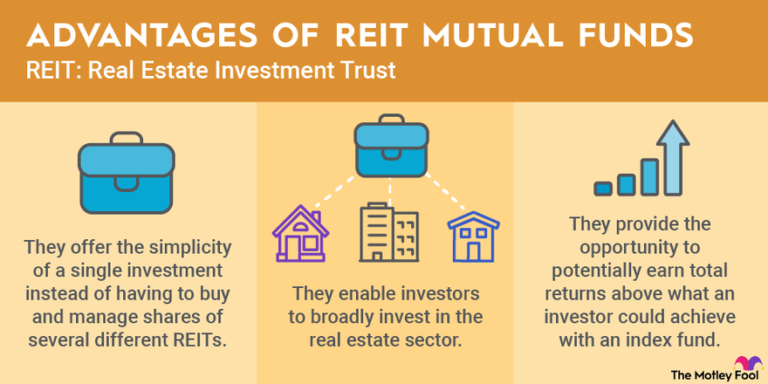
- Diversified Portfolio: Exposure to multiple real estate sectors and geographies, reducing concentration risk.
- Professional Management: Led by Starwood Capital Group, which has decades of global real estate experience.
- Stable Income: Regular dividends generated from rental cash flow and financing activities.
- Inflation Hedge: Real estate has historically been a strong hedge against inflation, protecting investors’ purchasing power.
- Reduced Volatility: As a non-traded REIT, SREIT avoids daily stock market swings, focusing on fundamentals instead.
These benefits make SREIT appealing for both income-seeking investors and those looking for long-term wealth preservation.
Real-World Examples of Starwood Real Estate Income Trust Investments
Example 1: Multifamily Residential Communities

SREIT invests heavily in multifamily residential properties in high-growth U.S. markets. For example, acquiring modern apartment communities in cities with strong job markets allows SREIT to capture demand from renters seeking quality housing.
These properties generate reliable income through consistent occupancy rates. As urban populations grow, multifamily housing remains one of the most stable and resilient real estate sectors, making it a cornerstone of SREIT’s portfolio.
Example 2: Industrial Warehouses and Logistics Facilities

With the rise of e-commerce, industrial real estate has become essential. SREIT owns strategically located warehouses and logistics hubs near transportation corridors and major population centers.
These facilities are leased to creditworthy tenants, often under long-term contracts, providing steady and predictable rental income. Investors indirectly benefit from the ongoing digital transformation of retail and supply chains.
Example 3: Hospitality Investments in Key Markets

SREIT has exposure to the hospitality sector through hotel acquisitions in prime tourist and business travel locations. Hotels generate income from nightly stays, conferences, and partnerships with well-known operators.
Although hospitality can be cyclical, Starwood’s expertise allows it to identify properties with strong demand fundamentals, ensuring resilience and potential for growth during economic upswings.
Example 4: Retail Centers Anchored by Essential Tenants

Retail properties in SREIT’s portfolio are focused on essential businesses like grocery stores, pharmacies, and healthcare services. These tenants attract consistent customer traffic, making such retail centers more resilient than discretionary retail.
By targeting necessity-based retail, SREIT reduces risks associated with shifting consumer behavior while maintaining steady cash flows.
Example 5: Office Buildings in Prime Locations

SREIT also invests in high-quality office properties in strategic business hubs. These buildings attract blue-chip tenants seeking premium space, ensuring long-term leases and consistent rental income.
While office demand has shifted due to hybrid work models, prime properties in strong markets remain attractive, providing balanced diversification in SREIT’s portfolio.
Role of Technology in Starwood Real Estate Income Trust
Technology enhances both management efficiency and investor experience in SREIT.
For property operations, advanced analytics are used to evaluate acquisitions, monitor occupancy trends, and optimize asset performance. Digital platforms improve tenant experience, from smart building features to sustainability initiatives that lower operational costs.
For investors, SREIT offers online dashboards that provide transparent insights into performance, dividend distributions, and portfolio allocation. This technology-driven transparency builds trust and empowers investors with real-time data access.
Practical Use Cases for Starwood Real Estate Income Trust
The trust solves several real-world investment challenges:
- Retirement Income: Provides consistent dividend distributions, ideal for retirees seeking passive income.
- Portfolio Diversification: Reduces reliance on stocks and bonds by adding real estate exposure.
- Inflation Protection: Rental income often adjusts with inflation, protecting long-term investor value.
- Wealth Preservation: Tangible assets serve as a safe store of value during market downturns.
- Accessible Institutional-Grade Assets: Retail investors gain access to assets that are typically reserved for large institutions.
These use cases demonstrate how SREIT bridges the gap between institutional real estate investing and individual investor accessibility.
Benefits in Real Life Situations
Consider an investor nearing retirement who wants a steady income but does not want to actively manage rental properties. SREIT provides them with diversified exposure to income-generating real estate, delivering dividends without the headaches of property maintenance or tenant management.
Similarly, a young professional seeking to diversify their portfolio beyond stocks and bonds can leverage SREIT as a way to access real estate markets, benefiting from both income and long-term appreciation.
Frequently Asked Questions
1. What makes Starwood Real Estate Income Trust different from public REITs?
SREIT is a non-traded REIT, meaning it does not trade on stock exchanges. This reduces volatility and allows for a long-term investment strategy, but it also means reduced liquidity compared to publicly traded REITs.
2. What sectors does SREIT invest in?
SREIT invests across multiple real estate sectors, including multifamily housing, industrial, office, retail, and hospitality. This diversified approach spreads risk and creates multiple income streams.
3. Who manages Starwood Real Estate Income Trust?
SREIT is managed by Starwood Capital Group, a global private investment firm with decades of experience and billions in assets under management. Their expertise ensures professional oversight and strategic growth of the REIT’s portfolio.