Commercial Buyers Advocate: Expert Guidance for Smarter Property Investments
The role of a commercial buyer’s advocate has become increasingly significant in today’s real estate market. A commercial buyer’s advocate is a professional who represents property buyers during the acquisition process, ensuring their interests are prioritized. Unlike real estate agents who work for sellers, these advocates act solely on behalf of buyers, guiding them through complex negotiations, property evaluations, and due diligence.
In the commercial real estate (CRE) sector, the stakes are particularly high. Properties often involve millions of dollars in investments, long-term lease structures, and intricate market dynamics. A commercial buyer’s advocate provides clarity, expertise, and strategic insights that help investors secure profitable deals while minimizing risks.
Why the CRE Market Needs Advocates
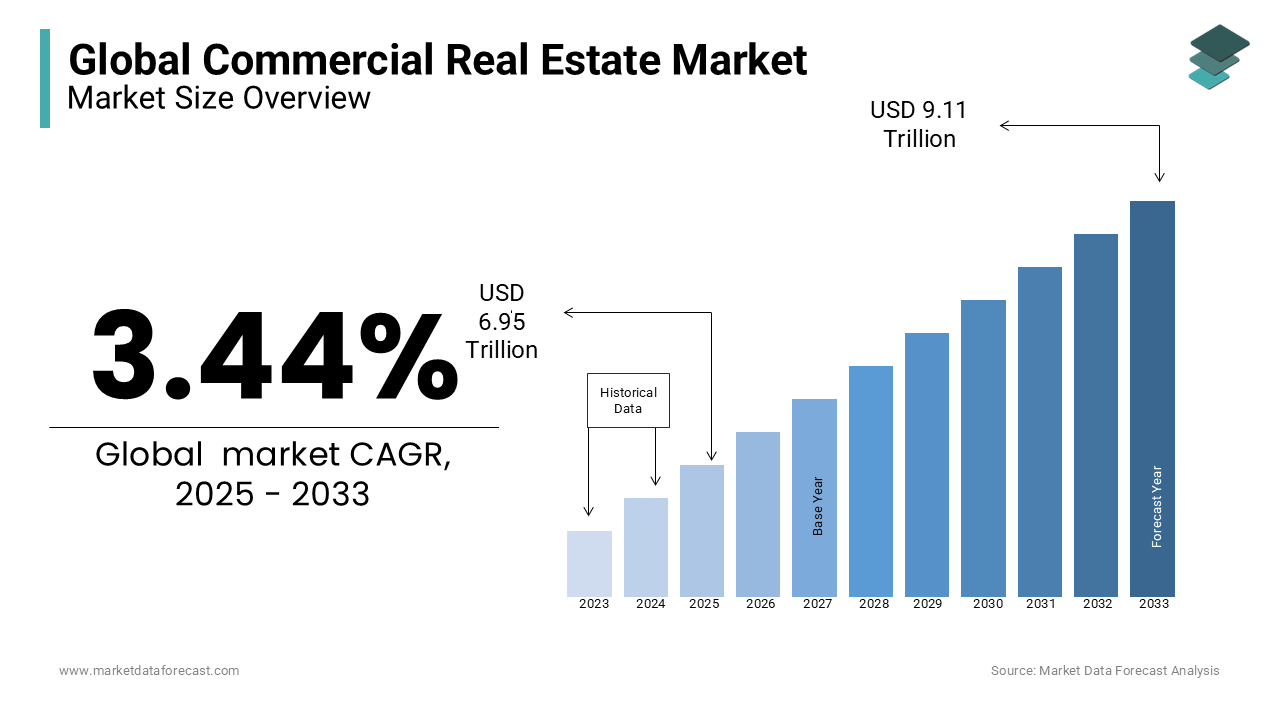
Commercial property transactions differ from residential ones due to the scale and complexity involved. Buyers face challenges such as zoning laws, rental yields, tax implications, and market cycles that can dramatically impact investment performance.
A commercial buyer’s advocate addresses these challenges by offering unbiased advice, conducting independent research, and leveraging their network to uncover opportunities not always visible in the open market. This representation ensures that buyers enter transactions with confidence, supported by a team focused solely on their goals.
Example 1: Advocates in Office Property Acquisitions
Consider the acquisition of an office tower in a central business district. Without professional guidance, a buyer might overpay or overlook hidden issues such as outdated infrastructure or zoning restrictions. A commercial buyer’s advocate evaluates the property’s income potential, examines tenant lease structures, and identifies risks that could reduce long-term returns.
In this scenario, the advocate helps negotiate favorable terms, ensuring the buyer gains a property aligned with their financial strategy. Beyond immediate cost savings, the advice provided supports sustainable portfolio growth.
Example 2: Retail and Hospitality Purchases

Retail and hospitality properties require nuanced decision-making, especially with shifts in consumer behavior and tourism. A commercial buyer’s advocate can assess whether a retail strip or hotel purchase aligns with market demand and future growth projections.
For instance, an investor considering a hospitality property near a tourist hub benefits from an advocate’s insights on seasonal occupancy rates, operational costs, and emerging competition. This guidance protects the buyer from overexposure to volatile sectors while highlighting long-term opportunities.
Example 3: Industrial and Logistics Real Estate
The surge in e-commerce has fueled demand for warehouses and logistics hubs. Buyers eager to capitalize on this trend often rush into purchases. A commercial buyer’s advocate tempers this enthusiasm with objective analysis.
By examining transportation access, tenant stability, and automation readiness, advocates help buyers identify industrial assets with enduring value. Their expertise ensures that acquisitions are resilient, even as technology and logistics requirements evolve.
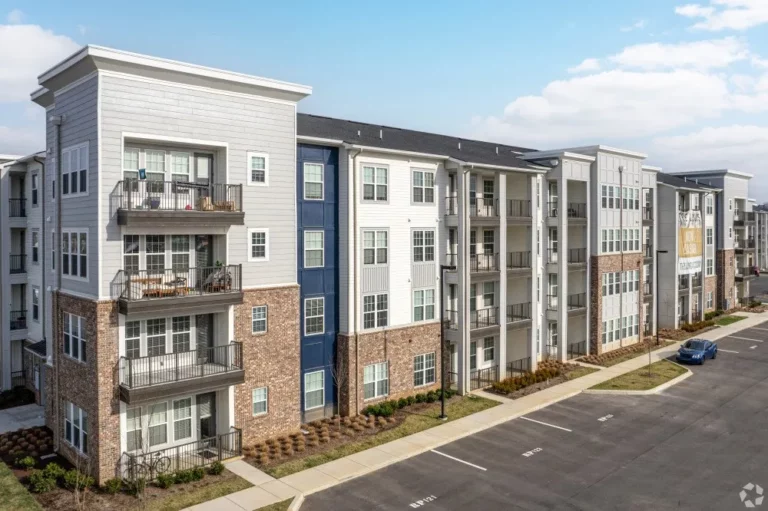
Example 4: Multifamily and Mixed-Use Developments

Multifamily and mixed-use developments offer steady rental income but require careful vetting. Advocates assist buyers in analyzing tenant demographics, occupancy trends, and regulatory considerations tied to housing.
An advocate’s ability to uncover hidden costs, such as renovation requirements or compliance upgrades, can save buyers significant financial strain. Their role goes beyond acquisition—it’s about ensuring the asset’s long-term profitability and alignment with the buyer’s investment strategy.
How Technology Enhances a Commercial Buyer’s Advocate’s Role

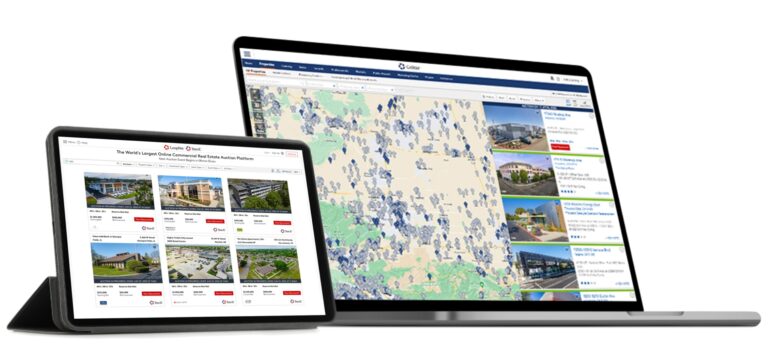
Technology has transformed the way commercial buyers’ advocates operate. Data analytics, AI-driven property evaluation tools, and digital platforms provide precise insights into market trends and investment risks.
For example, predictive analytics can forecast rental demand in specific neighborhoods, while virtual reality platforms allow buyers to tour properties remotely. These tools empower advocates to provide well-informed advice, saving time and resources while improving decision accuracy.
Benefits of Using a Commercial Buyers Advocate
- Unbiased Representation: Advocates prioritize the buyer’s goals without conflict of interest.
- Market Insights: Access to off-market properties and exclusive opportunities.
- Risk Mitigation: Comprehensive due diligence reduces financial and operational risks.
- Negotiation Power: Skilled advocates secure favorable terms in high-stakes deals.
- Strategic Planning: Guidance extends beyond purchase, helping shape long-term investment portfolios.
These advantages make a commercial buyer advocate an invaluable partner for seasoned investors and first-time commercial buyers alike.
Practical Use Cases
Mitigating Overpayment Risks
Buyers often face inflated property prices. Advocates analyze comparables and negotiate effectively, preventing costly overpayments.
Unlocking Off-Market Deals
Advocates leverage networks to access properties unavailable to the general public, giving buyers a competitive edge.
Supporting International Investors
Foreign investors navigating unfamiliar regulations benefit from advocates who clarify local laws and streamline the purchase process.
Enhancing Long-Term Value
By aligning acquisitions with market demand and growth potential, advocates secure assets that appreciate over time.
Frequently Asked Questions
What does a commercial buyer’s advocate do?
A commercial buyer’s advocate represents the interests of buyers during property acquisitions, offering expertise in market research, negotiations, and risk management.
Why should I use a commercial buyers advocate?
Using an advocate ensures you have unbiased support, access to exclusive opportunities, and professional guidance that reduces risks while enhancing investment outcomes.
Can technology improve the effectiveness of a buyer’s advocate?
Yes. Tools like AI-driven analytics, virtual tours, and predictive modeling enhance an advocate’s ability to evaluate properties accurately and provide better client recommendations.