Commercial Buyers Agent: Complete Guide to Role, Benefits, and Real-World Use Cases
A commercial buyer’s agent is a licensed real estate professional dedicated to representing the interests of buyers in commercial property transactions. Unlike selling agents, who act for property owners, buyer’s agents focus exclusively on helping businesses and investors secure the right property under the best terms.
Commercial property deals often involve high stakes, with significant financial and strategic implications. From office spaces and industrial warehouses to retail centers and mixed-use developments, these investments shape the future of companies. That’s why a commercial buyer’s agent plays such a vital role: they bring expertise, objectivity, and negotiation skills to ensure buyers make informed and profitable decisions.
Why Businesses Need a Commercial Buyers Agent

The commercial property market is complex, competitive, and often overwhelming for buyers who lack insider knowledge. Factors such as zoning laws, compliance requirements, hidden costs, and long-term market conditions can significantly impact a property’s value and usability.
A commercial buyer’s agent simplifies this complexity. By offering independent advice, deep market insights, and strategic guidance, they help buyers avoid costly mistakes and ensure that every acquisition supports broader business goals. For companies expanding into new regions or industries, the expertise of a buyer’s agent can mean the difference between growth and financial strain.
Core Responsibilities of a Commercial Buyer’s Agent
The responsibilities of a commercial buyer’s agent extend across multiple stages of the property acquisition process:
- Property Search and Shortlisting: They identify properties aligned with client goals, whether focused on retail visibility, logistics efficiency, or office scalability.
- Market Research and Due Diligence: Agents conduct detailed analysis on pricing, demand, infrastructure, and long-term value projections.
- Negotiations: Acting as the buyer’s advocate, they handle negotiations with selling agents to secure favorable terms.
- Compliance and Risk Review: They review zoning, legal restrictions, environmental considerations, and structural reports to mitigate risks.
- Strategic Alignment: Beyond transactions, they ensure that property investments align with business objectives, such as expansion or portfolio diversification.
By covering each of these areas, buyers agents deliver both peace of mind and measurable financial advantages to their clients.
Real-World Examples of Commercial Buyers Agents in Action
Example 1: Tech Company Office Relocation
A mid-sized technology company needed to relocate to a larger headquarters in a metropolitan area. The leadership team lacked time to evaluate properties thoroughly. A commercial buyer’s agent conducted a market search, considered factors such as connectivity, transport access, and scalability, and identified a property with favorable long-term lease conditions.
This move allowed the company to secure office space below market rates while positioning itself for future expansion. The agent’s negotiation skills alone saved the company significant capital, which was reallocated to product development and hiring.
Example 2: Retail Expansion Strategy
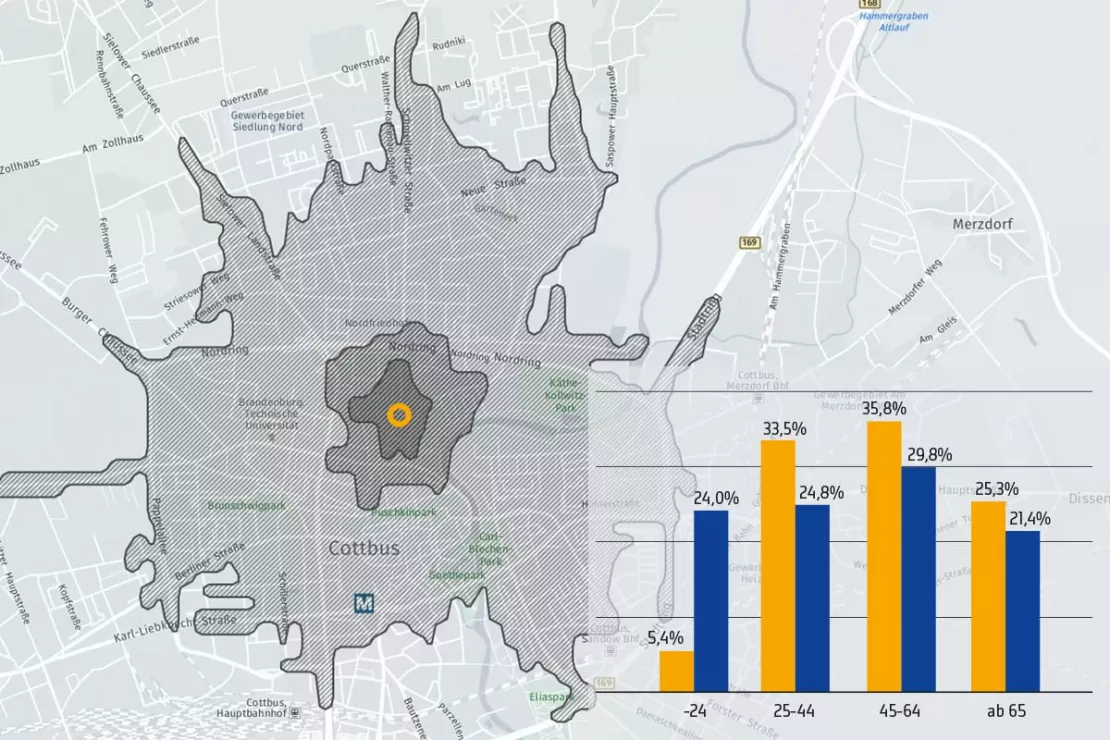
A retail investor looking to expand into a new suburban market engaged a commercial buyer’s agent. Instead of focusing only on listed properties, the agent used market intelligence to identify off-market opportunities. They analyzed consumer demographics, foot traffic, and competition within the area before recommending a property in a rapidly growing shopping district.
The investment proved successful within the first year, with rental returns exceeding expectations. The buyer’s agent’s expertise in retail dynamics and growth forecasting ensured the investor captured a prime opportunity before the market became saturated.
Example 3: Industrial Warehouse Purchase
A logistics company required a strategically located warehouse to optimize its distribution network. A buyer’s agent evaluated multiple options and ruled out properties with outdated facilities or hidden compliance issues. After thorough due diligence, they identified a warehouse close to major highways and ports, offering both efficiency and long-term growth potential.
The acquisition improved delivery times, reduced operating costs, and positioned the logistics firm ahead of competitors. Without the agent’s guidance, the company might have acquired a property with costly regulatory challenges.
Example 4: Medical Facility Acquisition

A healthcare provider sought to expand services by acquiring a property suitable for a medical clinic. The buyer’s agent assessed zoning approvals, parking availability, and proximity to residential communities. They successfully negotiated a property acquisition that aligned with patient accessibility and regulatory standards.
This case highlights how buyer’s agents add value beyond financial negotiations. They understand industry-specific needs and tailor their property search accordingly.
Benefits of Using a Commercial Buyers Agent
The benefits of hiring a commercial buyer’s agent extend well beyond convenience.
- Time and Resource Savings: They streamline the property search and evaluation process, saving clients weeks or months of effort.
- Expert Market Insights: With access to off-market deals and detailed data, they provide clients with options unavailable to the general public.
- Skilled Negotiation: Buyer’s agents are trained negotiators who secure favorable terms and pricing, often offsetting their own fees through savings.
- Risk Mitigation: They identify potential pitfalls such as structural issues, zoning problems, or future market downturn risks.
- Strategic Value Alignment: Properties recommended are aligned with long-term business goals, ensuring sustainable profitability.
These advantages are especially critical for investors managing multiple assets or businesses making high-value property commitments.
How Technology Enhances the Role of Commercial Buyer’s Agents

Technology is transforming the way commercial buyer agents operate. Digital tools now allow them to analyze property markets with greater accuracy and efficiency.
- Data Analytics and AI: Predictive modeling helps agents evaluate future property performance, taking into account demographics, infrastructure projects, and economic conditions.
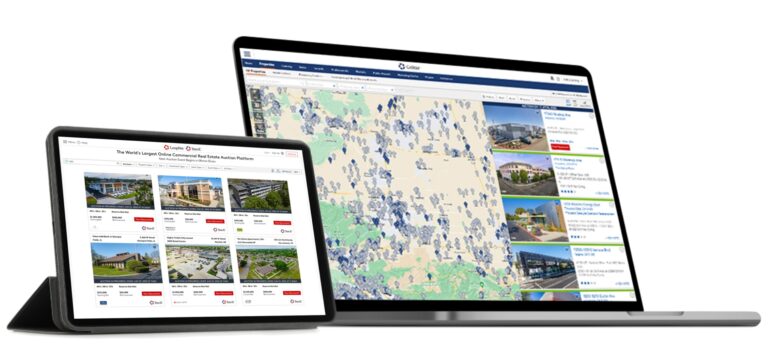
- Virtual Tours and Mapping: Clients can view potential sites remotely through 3D virtual tours, saving time and resources.
- CRM and Workflow Systems: Technology enables seamless communication between agents and clients, ensuring transparency throughout the acquisition process.
These advancements not only improve efficiency but also enhance decision-making for clients, offering a clearer picture of both risks and opportunities before committing to an investment.
Practical Use Cases for Commercial Buyers Agents
Corporate Expansion Projects
Large corporations expanding into new regions use buyer agents to ensure location decisions align with branding, employee convenience, and operational efficiency.
First-Time Commercial Investors
New investors often face information gaps and high risks. A buyer’s agent serves as both educator and advocate, helping them avoid pitfalls and build a strong investment foundation.
Portfolio Diversification for Experienced Investors
Even seasoned investors need specialized support when diversifying into unfamiliar property categories. Buyers’ agents help them assess risk and optimize investment returns across varied property types.
Family-Owned Businesses Seeking Stability
Family-run enterprises often purchase property as a long-term stability strategy. Buyer’s agents help identify reliable assets that support business continuity for future generations.
Frequently Asked Questions
1. What is the difference between a commercial buyer’s agent and a selling agent?
A selling agent represents property owners and aims to maximize the sale price. A commercial buyer’s agent works exclusively for buyers, ensuring they get the best deal and minimize risk.
2. How do commercial buyer agents add value beyond negotiation?
They conduct market analysis, uncover off-market opportunities, review compliance issues, and align property choices with client goals, offering value that goes far beyond simple price negotiation.
3. When should a business hire a commercial buyer’s agent?
Any time a business or investor is considering a significant property acquisition, especially in unfamiliar markets or asset classes, it’s wise to hire a buyer’s agent to avoid costly mistakes and secure the most strategic deal.