Commercial Buyers Agent Fees Explained: Insights, Benefits, and Real-World Use Cases
Commercial buyer’s agent fees refer to the costs associated with hiring a professional who represents a buyer in a commercial property transaction. Unlike traditional real estate agents who often represent sellers, buyer’s agents focus exclusively on the interests of the purchaser. Their role includes property sourcing, due diligence, negotiation, and ensuring the buyer secures the best terms possible.
These fees can vary widely depending on the complexity of the transaction, the type of property, and the region where the deal is taking place. In some cases, fees are a percentage of the purchase price, while in others, they are structured as flat fees or retainers. Understanding these costs is crucial for businesses and investors looking to maximize value while reducing risks in property acquisition.
Why Buyer’s Agent Fees Are Important in Commercial Real Estate

Commercial real estate transactions are often multi-million-dollar deals with significant long-term implications. Buyer’s agent fees, while an additional cost, represent an investment in securing expertise that can prevent costly mistakes. A skilled buyer’s agent brings local market knowledge, negotiation skills, and access to properties that may not be publicly listed.
By paying a fee for representation, buyers gain an advocate who is legally and ethically obligated to prioritize their best interests. This eliminates potential conflicts of interest that can occur when an agent represents both buyer and seller. Ultimately, the fee is not just a cost but a tool for risk mitigation and value creation.
Structure of Commercial Buyers Agent Fees
Commercial buyers’ agent fees typically fall into three structures: percentage-based, flat fees, or hybrid models. In percentage-based arrangements, the fee is usually 1% to 3% of the property’s purchase price. Flat fees are more common in smaller or standardized transactions, while hybrid models might combine a retainer with a success fee upon closing.
Regardless of structure, transparency is critical. Reputable buyers’ agents will clearly outline their fee model before engagement, ensuring clients understand the financial implications upfront. This clarity helps avoid misunderstandings and supports smoother negotiations.
Real-World Examples of Commercial Buyer’s Agent Fees in Practice
Example 1: Office Property Acquisition

A growing tech company sought a new office headquarters in a competitive metropolitan market. They hired a buyer’s agent on a percentage-based fee of 2% of the final purchase price. The agent sourced multiple off-market options, negotiated favorable lease-back terms with the seller, and helped the company secure a property that aligned with both budget and growth plans.
Although the fee represented a significant upfront cost, the long-term savings from the favorable contract terms far exceeded the agent’s fee. This case highlights how agent fees can pay for themselves by securing better deals.
Example 2: Retail Investment Portfolio
An investor looking to diversify into retail properties hired a buyer’s agent who charged a flat fee arrangement. The agent identified undervalued shopping centers and provided detailed market analysis that the investor would have struggled to obtain independently.
The agent’s expertise in retail tenant trends and future redevelopment potential enabled the investor to acquire properties with strong appreciation potential. In this scenario, the flat fee provided predictable costs while delivering high value.
Example 3: Industrial Warehouse Acquisition
A logistics company expanding its distribution network engaged a buyer’s agent under a hybrid fee model. The client paid a modest retainer upfront, with the remainder contingent on closing the deal. The agent’s role included analyzing traffic flow, zoning restrictions, and access to major highways, which are critical factors for logistics operations.
The negotiated purchase not only secured a prime location but also avoided zoning pitfalls that could have cost the company millions. The hybrid fee structure aligned both parties’ interests and incentivized performance.
Example 4: Multifamily Housing Investment
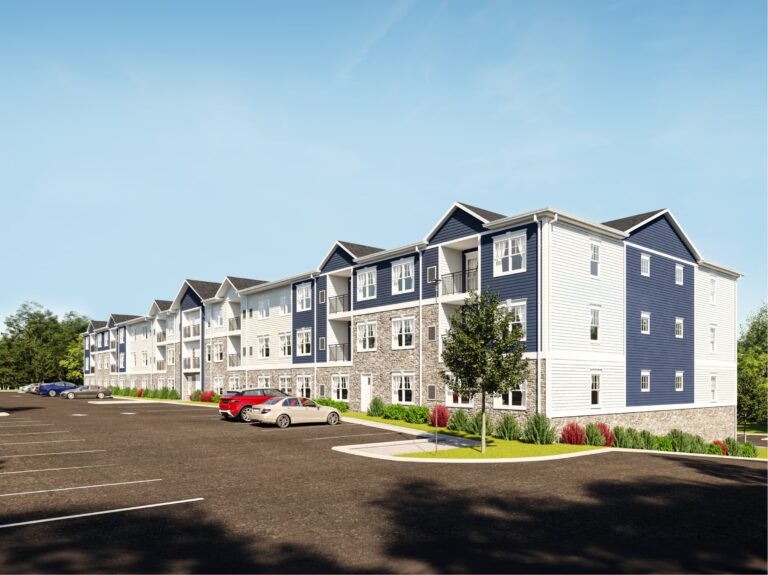
An investor group exploring multifamily housing opportunities in a new city worked with the buyer’s agent, charging a percentage fee. The agent’s deep local connections uncovered properties that had not yet reached the market, allowing the group to act quickly.
By analyzing rental yield forecasts and tenant demographics, the agent provided insights that maximized long-term returns. The percentage-based fee was a small price for gaining access to hidden market opportunities and ensuring investment security.
Benefits of Using Technology in ManagiBuyer’s Agent Fees

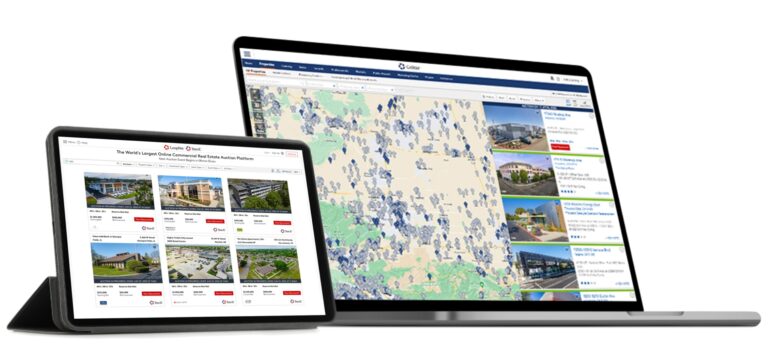
Technology has revolutionized how commercial buyer agents manage their services and fees. Online platforms now provide detailed property data, automated valuation models, and digital communication tools that reduce overhead and increase transparency.
For clients, this means better access to real-time property insights, electronic contract management, and fee transparency. Buyers can track progress, understand the breakdown of services, and see exactly how their agent is adding value. This digital transformation ensures accountability and builds trust between agent and client.
Practical Use Cases of Commercial Buyer’s Agent Fees
Solving Knowledge Gaps

Many investors enter new markets with limited knowledge of local dynamics. Buyer’s agents fill this gap by providing insider knowledge, from zoning laws to tenant demand. The fees become a worthwhile expense when they prevent costly errors or ensure access to high-performing assets.
Reducing Negotiation Risks
Negotiations in commercial real estate often involve complex terms beyond just price. Buyers’ agents understand these nuances, from lease-back arrangements to environmental compliance. Their fee covers this expertise, protecting clients from signing unfavorable agreements.
Accelerating Transactions
For businesses with urgent property needs, delays can be costly. Buyer’s agents streamline the process by coordinating with lawyers, lenders, and sellers. This efficiency justifies the fee by preventing disruptions to business operations.
Why Buyer’s Agent Fees Are Useful in Real-Life Situations

In practical terms, buyer’s agent fees are not just about paying for a service; they are about securing peace of mind. For businesses, the right property can influence growth, operations, and profitability. For investors, fees can unlock hidden opportunities and maximize returns.
Ultimately, these fees act as insurance against risk, inefficiency, and missed opportunities. By investing in professional representation, buyers increase their chances of achieving long-term success in the competitive world of commercial real estate.
FAQs about Commercial Buyers Agent Fees
1. What factors influence commercial buyers’ agent fees?
Fees depend on property type, transaction size, market location, and the agent’s fee model (percentage, flat, or hybrid).
2. Are buyer’s agent fees negotiable in commercial real estate?
Yes, many agents are flexible with fee structures, especially for high-value or repeat clients. Transparency is key during fee negotiations.
3. Do commercial buyer agents save more money than their fees cost?
In most cases, yes. Agents often negotiate better terms, uncover hidden opportunities, and avoid costly mistakes, making their fees a value-generating investment.