Commercial CRE: Complete Guide to Commercial Real Estate and Its Business Value
Commercial CRE, short for Commercial Real Estate, refers to properties that are used exclusively for business purposes. Unlike residential real estate, which is primarily designed for people to live in, commercial CRE is intended to generate profit through rental income, capital gains, or business operations. This includes office buildings, retail spaces, industrial warehouses, medical centers, hotels, and multifamily apartments with more than four units.
In today’s business environment, commercial CRE is more than just physical property; it represents long-term investment potential, financial stability, and business growth opportunities. Investors, companies, and developers view CRE as a foundation for both wealth building and corporate expansion. With global urbanization and demand for commercial space increasing, the commercial CRE market continues to evolve and attract attention from both seasoned and new players.
Importance of Commercial CRE in Modern Business

The importance of commercial CRE cannot be overstated. For businesses, the right property can drive operational efficiency, improve brand visibility, and attract both employees and customers. For investors, commercial real estate offers stable rental yields, long-term appreciation, and diversification from volatile assets like stocks.
Moreover, CRE often acts as an economic indicator. Rising demand for office space signals business growth, while expansion in logistics and industrial properties reflects the growth of e-commerce. Similarly, the development of retail centers can indicate shifts in consumer spending patterns. Thus, commercial CRE is not only a financial asset but also a lens into broader economic trends.
Key Sectors within Commercial CRE
Commercial CRE spans several categories, each with unique characteristics and investment dynamics:
- Office Buildings: From skyscrapers in metropolitan centers to suburban business parks.
- Retail Properties: Shopping malls, standalone stores, and mixed-use retail hubs.
- Industrial Properties: Warehouses, logistics centers, and manufacturing facilities.
- Hospitality and Leisure: Hotels, resorts, and serviced apartments.
- Healthcare Facilities: Clinics, hospitals, and specialized medical centers.
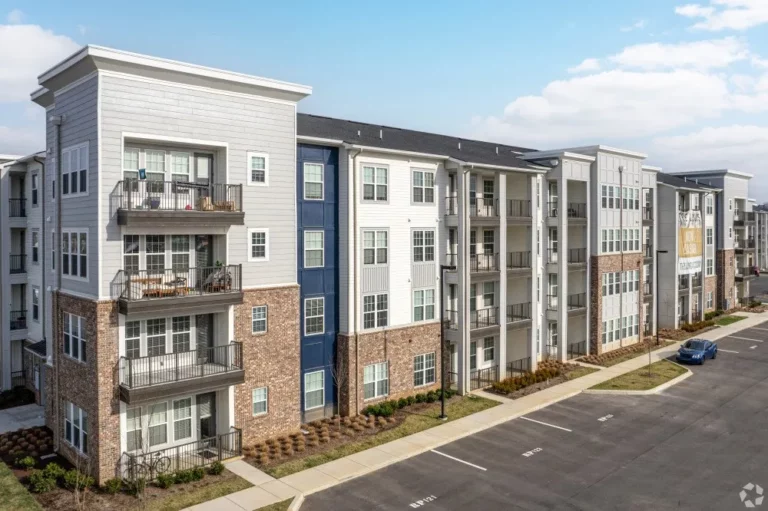
- Multifamily Housing: Apartment complexes with multiple units intended for leasing.
Each sector has different risk profiles and potential returns. For example, industrial properties are currently thriving due to the e-commerce boom, while office spaces are adapting to hybrid work models.
Real-World Examples of Commercial CRE
Example 1: Office Skyscraper in New York

One of the most iconic examples of commercial CRE is a Manhattan office tower leased by multiple global corporations. These skyscrapers generate significant rental income and provide companies with prestigious addresses that enhance their brand image. For investors, such properties represent stable long-term returns given the consistent demand for office space in global financial hubs.
Example 2: Logistics Warehouse in California
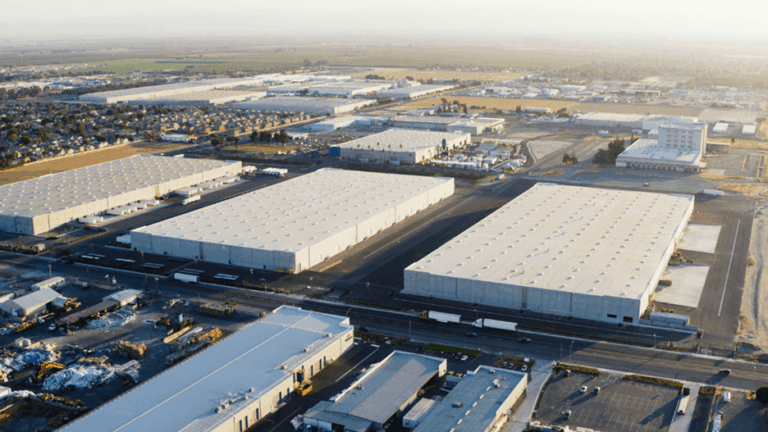
With the growth of e-commerce, industrial warehouses in locations like California’s Inland Empire have become hot assets. These facilities enable companies such as Amazon and FedEx to streamline supply chains and reduce delivery times. Investors benefit from strong rental demand, while tenants enjoy operational efficiency. This example highlights how industrial CRE is shaping the future of global trade and logistics.
Example 3: Shopping Center in Texas
A suburban shopping mall in Texas illustrates the enduring appeal of retail CRE. Despite challenges from online shopping, well-located malls that blend retail with entertainment and dining continue to attract steady customer traffic. For investors, these centers remain lucrative when managed with tenant diversity and experiential retail strategies.
Example 4: Medical Facility in Florida
Healthcare-related CRE has gained prominence in recent years. A medical center in Florida, designed to serve a growing population, demonstrates the value of healthcare facilities as stable, recession-resistant investments. Medical tenants often sign long-term leases, reducing vacancy risks and ensuring consistent income for property owners.
Example 5: Luxury Hotel in Las Vegas

Hospitality CRE, such as luxury hotels in Las Vegas, remains a vibrant sector. These properties generate revenue through room bookings, conferences, and entertainment events. While hospitality is more vulnerable to economic cycles, prime locations can deliver exceptional returns during strong travel periods. This example underlines how commercial CRE provides both risk and reward opportunities across industries.
Benefits of Investing in Commercial CRE
Commercial CRE offers a wide range of benefits to both businesses and investors:
- Stable Income Streams: Long-term leases provide predictable rental income.
- Capital Appreciation: Over time, property values tend to increase, delivering capital gains.
- Diversification: CRE diversifies investment portfolios beyond traditional equities and bonds.
- Tangible Asset Security: Real estate provides physical asset backing, unlike intangible investments.
- Tax Advantages: Depending on the jurisdiction, investors can benefit from deductions and depreciation.
These advantages make commercial CRE a cornerstone of wealth building and corporate growth strategies.
Technology’s Role in Transforming Commercial CRE

Technology has significantly reshaped how commercial CRE is managed and invested in:
- Big Data and Analytics: Property valuations and market forecasts are now driven by real-time data analysis.
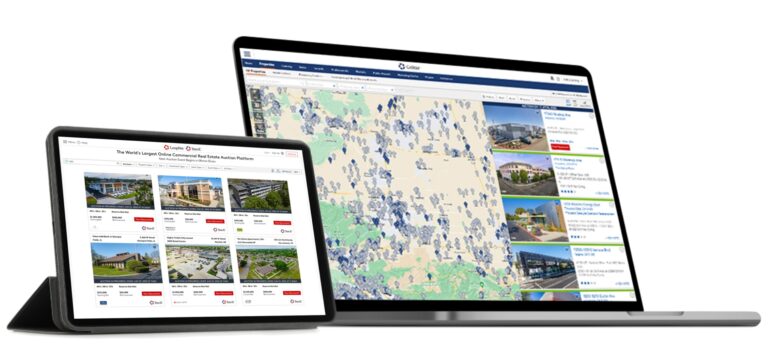
- PropTech Platforms: Digital marketplaces simplify property searches, transactions, and portfolio management.
- Virtual Tours and AI: Prospective tenants and investors can evaluate properties remotely with 3D tours and AI-driven insights.
- Blockchain and Smart Contracts: These innovations are streamlining property transactions, making them faster and more secure.
By embracing these tools, buyers, sellers, and managers of CRE gain efficiency, transparency, and stronger decision-making power.
Practical Use Cases of Commercial CRE
Corporate Headquarters Development
Large corporations often build or acquire office towers to centralize operations. These headquarters not only reflect brand strength but also serve as assets that can appreciate over decades.
E-Commerce Distribution Centers
With consumer demand for fast delivery, distribution centers located near urban areas have become essential. CRE in this category provides both operational advantages and strong investor returns.
Healthcare Expansion Projects
As populations grow and age, medical centers and specialized facilities are in high demand. Commercial CRE in this sector provides stability regardless of economic cycles.
Mixed-Use Developments
Modern urban planning increasingly favors mixed-use projects that combine retail, office, and residential spaces. These developments enhance community living while offering investors diversified income streams.
Challenges in the Commercial CRE Market
While CRE offers many opportunities, it also comes with challenges:
- Market Volatility: Economic downturns can impact rental income and occupancy rates.
- High Capital Requirements: CRE investments often require significant upfront capital.
- Regulatory Complexities: Zoning laws, permits, and compliance issues can complicate transactions.
- Shifts in Demand: Changing consumer behavior, such as remote work or online shopping, can reduce demand for specific property types.
Understanding these challenges is crucial for investors and businesses to navigate the CRE market effectively.
Frequently Asked Questions
1. What does commercial CRE stand for?
Commercial CRE stands for Commercial Real Estate, which includes properties used for business purposes such as offices, retail centers, warehouses, and hotels.
2. Is commercial CRE a good investment for beginners?
While CRE offers strong returns, it requires significant capital and expertise. Beginners can still benefit by partnering with advisors, buyer’s agents, or investment firms specializing in commercial properties.
3. How is technology changing the commercial CRE industry?
Technology is improving transparency, speed, and decision-making in CRE. Tools like data analytics, PropTech platforms, and blockchain transactions are making property acquisition and management more efficient.