CRE Business: Insights, Opportunities, and Technology in Commercial Real Estate
The CRE business, or commercial real estate business, is one of the most influential sectors in global finance and property markets. It encompasses activities related to the development, leasing, investment, and management of commercial properties such as office towers, retail centers, industrial facilities, and multifamily housing. Unlike residential real estate, which focuses on individuals and families, CRE is about large-scale property strategies that serve corporations, institutions, and investors seeking long-term growth.
At its core, the CRE business operates on the principle of generating income through property ownership and leasing. It plays a critical role in urban development, providing spaces for commerce, logistics, and housing that fuel economic growth. With globalization, digital transformation, and sustainability goals reshaping markets, the CRE business is evolving to meet new demands.
Key Areas of the CRE Business
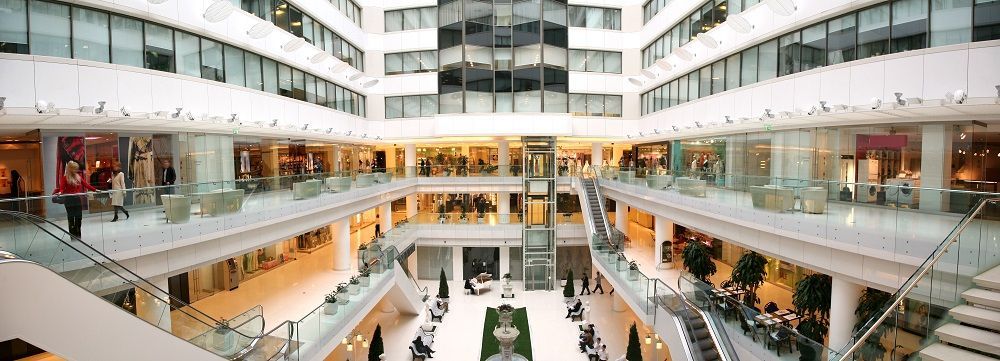
The CRE business covers a broad spectrum of property types. Office buildings remain a cornerstone, providing space for corporate operations. Retail spaces, once dominated by malls and stores, are now transforming into mixed-use centers that combine shopping, dining, and entertainment.
Industrial real estate, including warehouses and logistics hubs, has seen explosive growth due to e-commerce. Multifamily housing is also a major part of the CRE landscape, offering income opportunities through rental streams in urban areas. Each sector presents unique challenges and opportunities that shape the CRE business model.
Example 1: Office Space Development in Major Cities

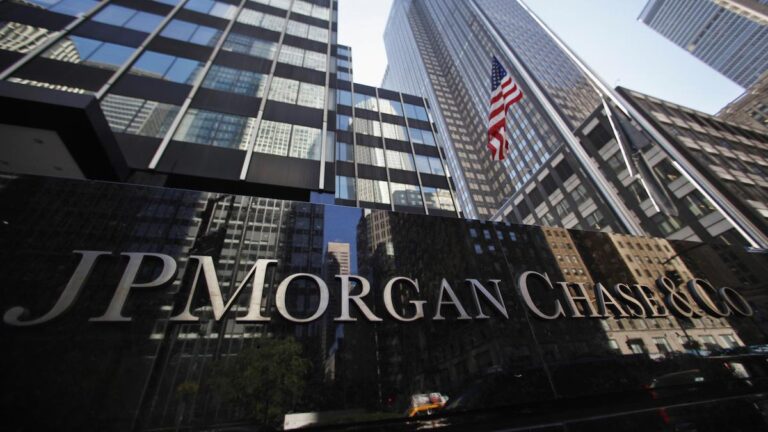
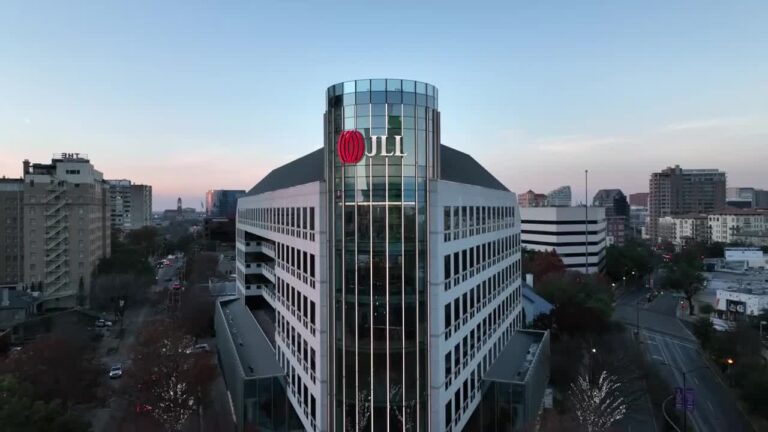
One prominent area of the CRE business is office space development. For example, large-scale developments in financial districts of New York, London, and Singapore showcase how office towers not only serve as corporate headquarters but also act as symbols of economic strength.
These office projects highlight the importance of location, design, and sustainability. Developers integrate advanced air filtration, energy-efficient systems, and flexible layouts to meet modern business needs. For investors, office spaces offer long-term lease agreements with blue-chip tenants, creating steady income streams while contributing to city skylines.
Example 2: Retail Real Estate Transformation
The retail sector within the CRE business has faced dramatic changes. With the rise of online shopping, many traditional malls struggled. However, CRE professionals have transformed retail spaces into mixed-use properties, integrating lifestyle experiences with commerce.
For instance, retail centers now include dining districts, fitness studios, and entertainment venues. These shifts not only keep consumers engaged but also maintain relevance in the evolving digital marketplace. Such transformations demonstrate how CRE adapts to consumer behavior while maintaining investor returns.
Example 3: Industrial and Logistics Expansion

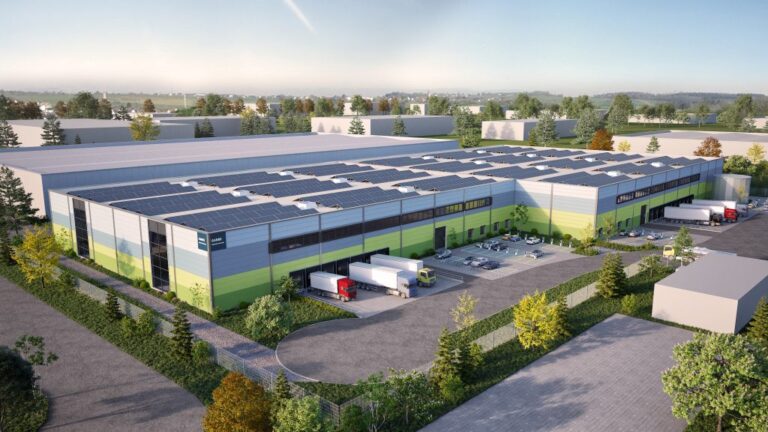
Industrial and logistics properties have become a cornerstone of the CRE business due to e-commerce. Companies like Amazon, UPS, and FedEx rely on vast distribution networks that require strategically located warehouses.
CRE businesses investing in this sector benefit from the consistent demand for fast delivery and supply chain resilience. These properties are designed with high ceilings, advanced robotics, and transport access, making them critical for modern commerce. For investors, industrial real estate represents one of the fastest-growing and most secure asset classes.
Example 4: Multifamily Residential Investments
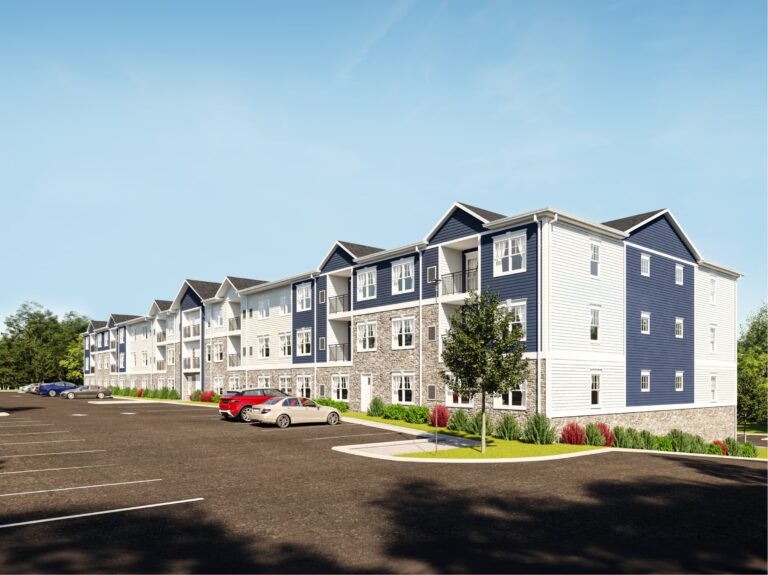
Multifamily housing developments are another vital component of the CRE business. As urban populations rise, there is strong demand for rental properties. Developers create luxury apartment complexes, student housing, and affordable units that balance profitability with social responsibility.
For investors, multifamily assets offer resilience even during economic downturns, since housing remains a necessity. These projects also allow CRE firms to diversify their portfolios, blending steady rental income with long-term appreciation.
Technology’s Role in the CRE Business

Technology is revolutionizing the CRE business. Artificial intelligence, big data, and real estate management platforms are reshaping how properties are evaluated, marketed, and maintained. Investors now rely on predictive analytics to understand tenant behaviors, future demand, and potential risks.
Virtual reality and digital twins allow clients to visualize properties remotely, enhancing leasing and sales experiences. Additionally, smart building technologies optimize energy use and improve tenant satisfaction. These advancements ensure that CRE professionals make better decisions while reducing operational costs.
Benefits of Technology in CRE
- Enhanced Decision-Making: Data-driven insights provide clarity on investment risks and opportunities.
- Improved Efficiency: Automation streamlines property management, reducing costs and errors.
- Sustainability: Smart systems reduce energy consumption, aligning with ESG goals.
- Tenant Experience: Digital amenities like mobile access, smart sensors, and responsive platforms increase tenant satisfaction.
- Market Transparency: Technology enables real-time data sharing, creating fairness and accuracy in transactions.
These benefits demonstrate why CRE businesses must embrace digital transformation to remain competitive in a fast-changing market.
Use Cases of CRE Business
Urban Growth and Housing Supply
CRE businesses address urban population growth by developing multifamily housing projects. This ensures cities have adequate rental options while investors benefit from consistent income.
Supply Chain Resilience
Industrial CRE investments strengthen supply chains, providing businesses with strategically located warehouses that meet the demand for same-day or next-day delivery.
Sustainable Corporate Practices
Office and retail developments financed by CRE businesses increasingly incorporate eco-friendly designs, enabling corporations to achieve sustainability targets while lowering operational expenses.
Frequently Asked Questions
1. What does the CRE business mean?
CRE business refers to the commercial real estate industry, which involves developing, managing, and investing in properties like offices, retail centers, industrial facilities, and multifamily housing.
2. Why is technology important in the CRE business?
Technology enhances decision-making, improves efficiency, and supports sustainable development. It helps investors, developers, and managers adapt to changing market conditions with greater accuracy.
3. Is the CRE business a good investment area?
Yes, CRE can be highly profitable when managed strategically. It offers income stability, portfolio diversification, and long-term growth opportunities across various property sectors.