CRE Firms: A Complete Guide to Commercial Real Estate Companies and Their Role in Modern Investment
CRE firms, short for commercial real estate firms, are companies that specialize in managing, leasing, selling, and investing in properties designed for business purposes. These include office buildings, retail centers, industrial warehouses, multifamily complexes, and mixed-use developments. Unlike residential real estate, which focuses on private living spaces, CRE firms concentrate on properties that generate income and support business operations.
The scope of CRE firms extends beyond simple property transactions. They often provide end-to-end services, including property management, investment advisory, tenant representation, and strategic development consulting. This makes them essential partners for investors, corporations, and institutions looking to navigate the complexities of the commercial property market.
Why CRE Firms Are Vital in Today’s Market

Commercial real estate is influenced by global economic cycles, demographic trends, and technological innovation. Investors and companies need expert guidance to make informed decisions, and that’s where CRE firms play a crucial role. They help identify emerging markets, forecast rental yields, and assess risks that could affect long-term profitability.
Additionally, CRE firms maintain relationships with landlords, developers, and financial institutions, giving their clients access to exclusive listings and investment opportunities. Their insights often mean the difference between an underperforming asset and a highly profitable investment.
Real-World Examples of Leading CRE Firms
Example 1: CBRE – Global Leader in Real Estate Services
CBRE is one of the world’s largest CRE firms, offering services across more than 100 countries. The company specializes in advisory, property sales, leasing, and facilities management. CBRE’s global presence allows it to provide clients with both local expertise and international insights, making it a go-to firm for multinational corporations.
One notable example is CBRE’s role in helping Fortune 500 companies expand into international markets by securing prime office locations. Their ability to integrate financial analysis with market intelligence showcases how global CRE firms operate at scale.
Example 2: JLL – Innovation and Sustainability in CRE

Jones Lang LaSalle (JLL) is another prominent CRE firm recognized for its commitment to innovation and sustainability. JLL provides real estate and investment management services with a focus on smart buildings and green development.
For instance, JLL has worked on projects that integrate energy-efficient systems, helping clients reduce operating costs while meeting environmental regulations. This demonstrates how CRE firms are evolving from transactional services to strategic partners in sustainable development.
Example 3: Cushman & Wakefield – Tenant-Focused Solutions
Cushman & Wakefield is known for its strong emphasis on tenant representation and workplace strategy. They help companies identify office spaces that align with employee productivity, brand image, and long-term business growth.
A practical example includes helping technology firms relocate to innovation hubs, ensuring that the properties they secure foster collaboration and attract top talent. Their tenant-focused approach highlights how CRE firms create value beyond financial returns.
Example 4: Colliers International – Agile and Investor-Centric Services
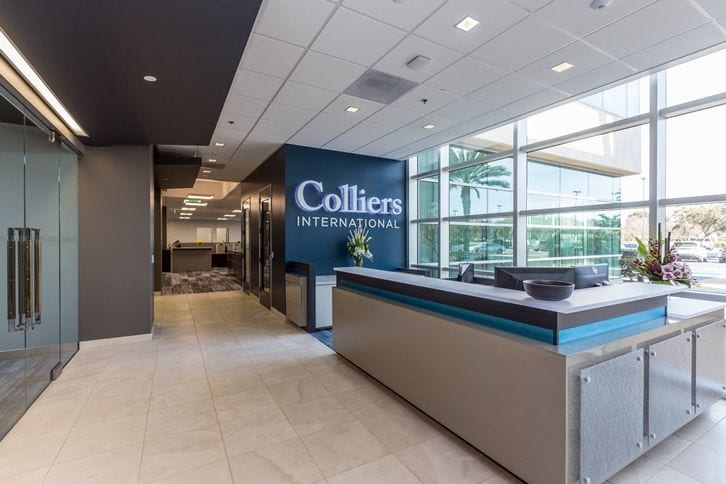
Colliers International is a CRE firm that emphasizes agility and personalized investor services. They provide property sales, leasing, and capital market advisory while maintaining a strong focus on local markets.
For investors, Colliers offers tailored solutions, whether it’s acquiring a retail center in a growing suburban market or repositioning an industrial facility for modern use. Their adaptability makes them highly relevant in rapidly changing property landscapes.
Benefits of Working with CRE Firms
Engaging with CRE firms offers numerous advantages. First, they provide access to deep market knowledge and data that individual investors or businesses might not have. This includes insights into rental rates, vacancy trends, and neighborhood development plans.
Second, CRE firms bring negotiation expertise, helping clients secure favorable lease agreements or purchase prices. They also streamline the due diligence process, uncovering potential issues such as zoning restrictions, tenant risks, or hidden maintenance costs before a deal closes.
Finally, their extensive networks allow clients to tap into exclusive opportunities, including off-market properties and large institutional deals, which are often inaccessible without professional representation.
How Technology Is Transforming CRE Firms

Technology is revolutionizing how CRE firms operate. Advanced property management software, AI-driven analytics, and virtual reality tours enable firms to provide more accurate insights and immersive client experiences. For example, predictive analytics can forecast property value growth, while VR allows investors to explore properties remotely.
Digital platforms also improve transparency and communication. Clients can monitor portfolio performance, review lease agreements, and track property operations in real time. This integration of technology not only improves efficiency but also enhances trust between CRE firms and their clients.
Common Use Cases for CRE Firms
Corporate Expansion
When corporations seek to expand into new markets, CRE firms provide vital support by identifying suitable office spaces, negotiating leases, and ensuring the properties align with company culture and operational needs.
Investment Portfolio Growth
Investors use CRE firms to diversify portfolios across property types such as retail, industrial, or multifamily assets. The firms’ expertise minimizes risk and maximizes returns through informed property selection and management.
Property Repositioning
CRE firms assist in repositioning underperforming assets. For instance, they may transform an outdated retail center into a mixed-use development that attracts both tenants and customers.
Tenant Representation
Businesses needing representation in lease negotiations benefit from CRE firms’ deep understanding of local markets. They ensure that tenants secure spaces that are both cost-effective and strategically located.
Frequently Asked Questions
1. What services do CRE firms typically provide?
CRE firms provide services such as property sales, leasing, tenant representation, property management, investment advisory, and development consulting. Their expertise covers a wide range of property types, including office, retail, and industrial.
2. Do CRE firms only work with large corporations?
No. CRE firms serve a broad client base, from small businesses to institutional investors. Their services can be customized based on the scale and needs of the client.
3. How do CRE firms charge for their services?
Fees vary depending on the service type. Some charge commissions based on transactions, while others may use management fees, consulting rates, or performance-based agreements.