Understanding DST 1031 Offerings: A Complete Guide to Real Estate Investment Strategies
Delaware Statutory Trust (DST) 1031 offerings have emerged as one of the most significant innovations in real estate investing. For investors seeking to defer capital gains taxes while accessing high-quality, institutional-grade properties, DSTs provide a structured and efficient vehicle. Unlike traditional property ownership, these offerings combine tax benefits with diversification and professional management, making them attractive to both seasoned investors and those new to 1031 exchanges.
DST 1031 offerings are rooted in Section 1031 of the Internal Revenue Code, which allows investors to defer capital gains tax when selling an investment property, provided the proceeds are reinvested into a “like-kind” property. By using a DST as the replacement property, investors can pool their resources with others and participate in ownership of larger, more lucrative real estate opportunities that might otherwise be unattainable.
What Are DST 1031 Offerings?
DST 1031 offerings represent a unique form of fractional real estate ownership. A Delaware Statutory Trust is a legal entity that holds title to one or more properties, and investors purchase beneficial interests in the trust. This allows multiple individuals to collectively own high-value assets while enjoying the tax deferral benefits of a 1031 exchange.
The Internal Revenue Service (IRS) recognizes DSTs as eligible replacement properties for 1031 exchanges, provided specific rules are followed. Investors do not directly manage the property; instead, a professional sponsor or trustee oversees operations. This structure makes DST 1031 offerings appealing for those who want the benefits of real estate ownership without the day-to-day responsibilities of property management.
Why DST 1031 Offerings Matter in Real Estate
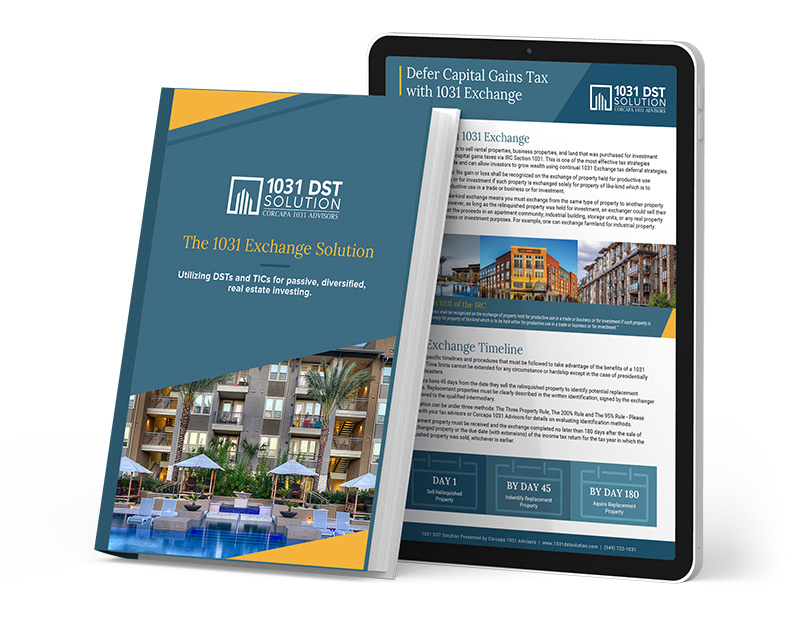
The importance of DST 1031 offerings lies in their ability to bridge the gap between tax efficiency, diversification, and institutional-level investment opportunities. Traditional 1031 exchanges often limit investors to finding and managing a single replacement property. DSTs, by contrast, offer access to large-scale assets such as multifamily complexes, office buildings, retail centers, industrial properties, and healthcare facilities.
In today’s real estate market, where investors are increasingly focused on passive income, reduced risk, and tax optimization, DSTs provide a clear path forward. Their continued growth underscores a shift toward professionally managed, technology-driven, and scalable investment solutions that align with modern demands.
Benefits of DST 1031 Offerings
Tax Deferral and Preservation of Wealth
The core advantage of DST 1031 offerings is the ability to defer capital gains taxes. By rolling over proceeds from a property sale into a DST, investors can preserve more of their wealth and reinvest it into income-generating assets. Over time, this compounding effect can significantly increase overall returns compared to paying taxes upfront.
Diversification Across Property Types and Locations
DSTs often hold multiple properties or focus on specific sectors, giving investors built-in diversification. This reduces exposure to single-market risks and allows participation in stable, income-producing assets across geographic regions. For example, a DST portfolio might include a multifamily complex in Texas, a medical office in California, and an industrial property in Florida.
Passive Ownership with Professional Management
Unlike direct ownership, DST investors are not responsible for property management tasks such as leasing, maintenance, or tenant relations. Instead, experienced sponsors manage the assets, ensuring professional oversight and efficiency. This passive ownership structure appeals to retirees, busy professionals, and anyone seeking stable real estate income without operational stress.
Access to Institutional-Grade Real Estate
DST 1031 offerings allow individual investors to participate in properties valued in the tens or hundreds of millions of dollars, assets typically reserved for large institutions. This access provides a pathway to high-quality real estate that would be impossible to acquire individually.
Real-World Examples of DST 1031 Offerings
Multifamily Residential DSTs

Multifamily properties remain a cornerstone of many DST offerings due to consistent rental demand and strong income potential. Investors can gain exposure to large apartment complexes in urban markets, benefitting from professional management and stable occupancy rates. For example, a multifamily DST might include a 300-unit Class A apartment building with modern amenities, generating steady rental income.
Healthcare Real Estate DSTs
Medical office buildings and healthcare facilities are increasingly popular in DST portfolios. With long-term leases backed by creditworthy tenants such as hospitals or physician groups, these properties offer reliable cash flow. A healthcare DST could own a portfolio of outpatient centers across multiple states, reducing vacancy risk while supporting growing demand in the medical sector.
Industrial and Logistics DSTs

The surge in e-commerce has fueled demand for industrial properties, making logistics warehouses a strong candidate for DST offerings. Investors in these DSTs benefit from long-term leases with major distribution companies. A typical example might be a large logistics center strategically located near major highways or airports, ensuring steady tenant demand.
Retail Anchored DSTs
Retail DSTs, particularly those anchored by essential businesses such as grocery stores or pharmacies, remain resilient in the evolving retail landscape. Investors in these offerings gain exposure to long-term leases with nationally recognized tenants. A retail DST might own a shopping center anchored by a top grocery chain, providing stability in rental income.
Practical Use Cases of DST 1031 Offerings
Retirement Planning and Passive Income

DST offerings are ideal for retirees who no longer wish to actively manage properties but still desire steady income streams. By deferring taxes and accessing institutional-quality assets, retirees can enjoy reliable monthly distributions while preserving capital for their heirs.
Transitioning from Active to Passive Ownership
For landlords tired of the challenges of direct ownership maintenance issues, tenant turnover, or regulatory compliance, DSTs provide an attractive alternative. Investors can exchange their actively managed property for a passive, professionally managed DST interest without sacrificing income potential. Diversification for Risk Management
An investor who previously held a single rental property in one location can exchange into a DST portfolio with exposure to multiple property types across the country. This diversification reduces the impact of local economic downturns and enhances long-term stability.
Estate Planning Benefits
DSTs are also useful for estate planning. Heirs can inherit interests in a DST with a stepped-up cost basis, potentially reducing future tax burdens. This allows families to preserve wealth across generations while continuing to benefit from income-producing properties.
The Future of DST 1031 Offerings
As the real estate market evolves, DST 1031 offerings are expected to play an even greater role in investment strategies. Advances in technology, increased regulatory clarity, and growing demand for passive income solutions will likely fuel continued growth. Investors are looking for ways to balance tax efficiency, income stability, and diversification criteria that DSTs are uniquely positioned to meet.
Frequently Asked Questions
1. What is the minimum investment for DST 1031 offerings?
While amounts vary by sponsor, many DST 1031 offerings have minimum investment requirements starting at $100,000. This allows a range of investors to participate, though these offerings are generally targeted toward accredited investors.
2. Are DST 1031 offerings risky?
Like all real estate investments, DSTs carry risks such as market fluctuations, tenant defaults, and economic downturns. However, diversification, professional management, and careful selection of properties help mitigate many of these risks.
3. Can I cash out of a DST investment early?
DST investments are generally illiquid, meaning investors should be prepared to hold their interest until the property is sold, typically 5–10 years. Early withdrawal options are limited, so these offerings are best suited for long-term investors.