Open Door Selling House: Complete Guide, Benefits, and Real-World Examples
Selling a house has traditionally been a long, stressful, and uncertain process. From preparing the home, listing with an agent, negotiating with buyers, and waiting weeks or even months for closing, homeowners often feel overwhelmed. But with technology-driven real estate companies like Opendoor, the phrase “open door selling house” has become synonymous with a faster, simpler, and more transparent way to sell.
This article explores in depth what Open Door selling a house means, how the process works, its key benefits, and practical use cases supported by real-world examples.
Understanding Open Door Selling House
Open Door selling house refers to the method of selling your home directly to Opendoor, a leading iBuyer (instant buyer) company. Instead of listing your property on the market, waiting for offers, and going through multiple showings, Opendoor makes an instant cash offer based on market data, home condition, and neighborhood comparables.
This approach eliminates many traditional real estate challenges. Homeowners get certainty of sale, often within days, while avoiding open houses, lengthy negotiations, and financing contingencies. The company uses technology to streamline valuations, inspections, and closings, giving sellers a modern alternative to conventional home sales.
How the Open Door Home Selling Process Works
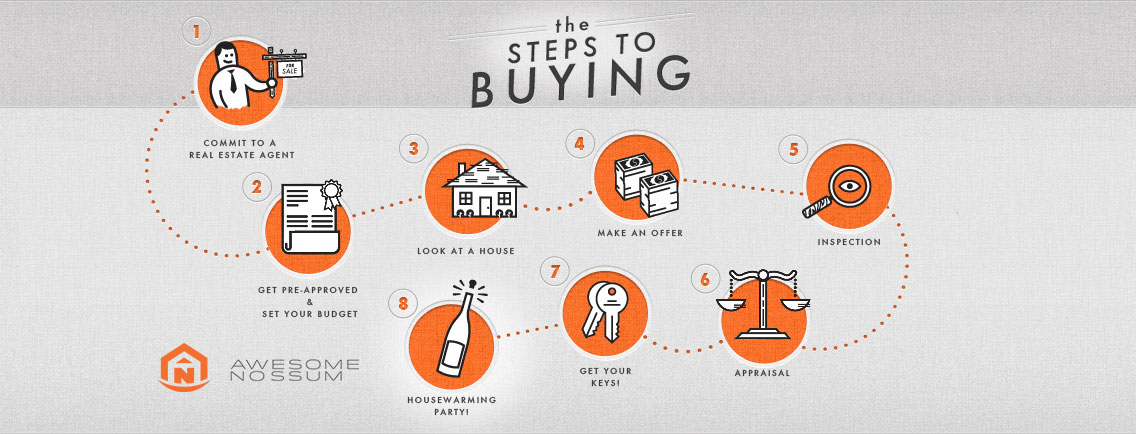
The Open Door selling process is designed to be straightforward. Here’s how it typically works:
- Request an Offer – Homeowners enter their property details into Opendoor’s platform or mobile app.
- Receive Instant Valuation – Using market algorithms, Opendoor provides an estimated cash offer within 24-48 hours.
- Home Inspection – A quick in-person or virtual inspection is scheduled to confirm the condition of the house.
- Final Offer – Adjustments may be made depending on inspection findings.
- Closing Flexibility – Sellers can choose their closing date, sometimes as quickly as a week.
The major advantage is certainty and speed. Instead of hoping for buyers to appear, sellers know upfront what they’ll receive and when.
Real-World Examples of Open-Door Selling a House
Example 1: A Growing Family Needing More Space

Consider a family living in a two-bedroom starter home. With two kids, they needed a larger space quickly. Traditional selling would mean staging, showings, and waiting for buyers. By using Open Door, they received an instant offer and closed within three weeks. This allowed them to move into their new home without worrying about overlapping mortgages.
Example 2: Relocation for Work
A professional relocating for a job across the country couldn’t afford delays in selling their house. Using Open Door, they sold in record time, avoided travel back and forth for negotiations, and had the certainty of funds for their new purchase in another state. This shows the real-world practicality of Open Door for those facing time-sensitive moves.
Example 3: Seniors Downsizing

For retirees downsizing after decades in the same home, the thought of preparing for open houses and weeks of uncertainty was overwhelming. With Open Door, they sold directly without needing renovations or long market exposure. The simplicity allowed them to focus on transitioning smoothly into a smaller home.
Benefits of Open Door Selling a House
The Open Door model brings multiple advantages compared to traditional selling:
- Certainty of Sale – Sellers avoid the stress of deals falling through due to buyer financing or inspection issues.
- Speed and Flexibility – Closing can happen on the seller’s timeline, sometimes in as little as 7 days.
- Convenience – No need for staging, open houses, or multiple buyer negotiations.
- Transparency – Clear upfront pricing powered by real estate market data ensures fewer surprises.
- Reduced Emotional Strain – For many homeowners, selling a house is emotionally taxing. Open Door reduces the uncertainty and hassle.
These benefits highlight why more homeowners are choosing Open Door as a modern real estate solution.
Use Cases of Open Door Selling a House

The Open Door approach can solve multiple real-world problems:
- Job Relocations: Provides certainty for homeowners needing to move quickly without juggling two mortgages.
- Inheritance Situations: Heirs selling a property can avoid the stress of managing an inherited home long-term.
- Financial Challenges: Homeowners facing foreclosure or financial strain gain a quicker exit strategy.
- Life Transitions: Whether it’s downsizing, upsizing, or moving closer to family, Open Door simplifies the process.
In all these cases, the emphasis is on reducing uncertainty, minimizing effort, and providing flexibility, something traditional real estate often struggles to deliver.
Frequently Asked Questions
1. Is Open Door selling houses available in all locations?
No, Opendoor operates in select U.S. metropolitan areas. Availability depends on the market where the company is active.
2. Does Open Door always offer fair market value?
Opendoor’s offers are based on local market conditions, recent comparable sales, and home condition. While sellers may sometimes receive slightly less than open market potential, they gain speed, convenience, and certainty.
3. Can you choose your closing date with Open Door?
Yes, one of the biggest advantages is flexibility. Sellers can choose closing dates that align with their plans, often within a week to a few months.