Paul Smith Commercial Property: Insights, Benefits, and Real-World Use Cases
Paul Smith commercial property represents a unique intersection of retail branding and premium real estate. Known for its strong design language and signature style, Paul Smith stores often occupy iconic commercial spaces in major cities. These properties are not just retail outlets; they are landmarks that communicate the brand’s identity while serving as strategic investments in high-value markets.
The concept of Paul Smith commercial property extends beyond fashion retail. It reflects a vision of integrating architectural presence with consumer experience. By choosing properties in globally recognized locations, Paul Smith leverages both brand visibility and real estate appreciation. For investors, analysts, and industry professionals, this dual role highlights the importance of commercial property in shaping brand longevity.
The Role of Commercial Property in Brand Strategy
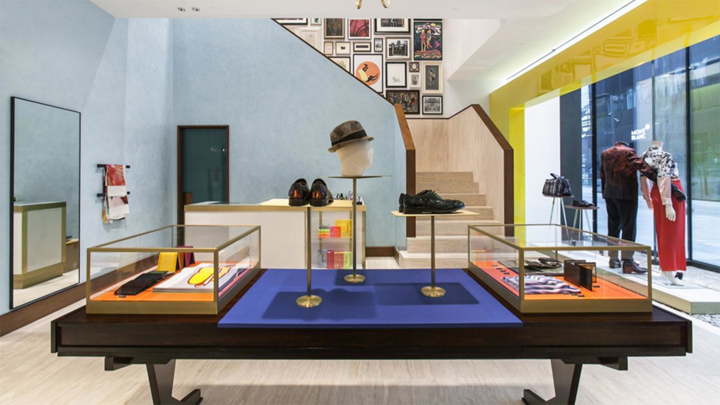
Commercial property plays a critical role in maintaining the Paul Smith brand identity. Unlike purely transactional spaces, these stores serve as experiential destinations where design, culture, and retail converge. From London’s Albemarle Street flagship to international boutiques in Tokyo and Los Angeles, the selection of property is intentional and strategic.
These properties function as living advertisements, reinforcing the brand’s image through architectural detail, store layout, and location prestige. By embedding itself in prime commercial real estate markets, Paul Smith demonstrates how property decisions contribute directly to brand perception, customer engagement, and long-term market positioning.
Benefits of Investing in Paul Smith Commercial Property
Insert image of the product format (search keyword: Paul Smith retail investment property)
One of the primary benefits of commercial property under the Paul Smith umbrella is its inherent stability. These locations are not chosen randomly but based on thorough research, cultural alignment, and financial foresight. As a result, they often attract consistent foot traffic and command strong resale or leasing value.
Additionally, properties associated with a premium fashion brand carry a layer of prestige that strengthens their long-term value. They contribute to both the real estate portfolio of investors and the cultural footprint of the brand. The sustainability of demand in areas where Paul Smith operates further reinforces the investment case for these commercial spaces.
Real-World Examples of Paul Smith Commercial Property
Example 1: Albemarle Street, London

The Paul Smith flagship store on Albemarle Street is a prime example of how commercial property doubles as brand storytelling. Its striking architectural façade and interior design make it a destination in itself. Beyond retail, it functions as a gallery-like space, blending art and commerce.
For real estate investors, this property showcases how premium retail spaces in established districts can hold value while contributing to cultural tourism. The Albemarle Street location is not only a store but also a case study in the value of iconic properties.
Example 2: Melrose Avenue, Los Angeles
Insert image of the product format (search keyword: Paul Smith Melrose Avenue pink wall)
The Los Angeles property on Melrose Avenue, famous for its vibrant pink façade, demonstrates the power of design-driven commercial property. The site has become a social media landmark, attracting thousands of visitors daily who may or may not shop but still amplify the brand’s visibility.
For investors, this store illustrates how design innovation in property selection can drive cultural engagement. It shows how real estate can transcend retail to become part of urban identity and social behavior, increasing the value of the property over time.
Example 3: Marunouchi, Tokyo
The Paul Smith store in Marunouchi, Tokyo, emphasizes integration with local culture while retaining global brand identity. Its location in a high-end business district connects the brand to professionals and affluent customers, making it strategically valuable.
This property underscores how location decisions shape both brand accessibility and investment resilience. With Marunouchi being a hub for business and luxury retail, the store ensures consistent visibility and revenue potential for both the brand and property stakeholders.
Example 4: Paul Smith Paris Boutique

In Paris, Paul Smith operates from properties that balance historic architectural elements with modern retail experiences. This juxtaposition appeals to both locals and tourists, making the commercial property an asset that strengthens brand heritage while maintaining profitability.
Such examples highlight how global fashion brands use real estate not just as functional spaces but as tools to reinforce identity and secure long-term commercial value.
Practical Use Cases and Market Relevance

The Paul Smith commercial property model offers insights into broader real estate and retail strategies. For investors, these properties present opportunities in markets where retail is resilient and cultural capital adds intangible value. For urban planners and designers, they illustrate the integration of architecture, branding, and public interaction.
These use cases also extend into retail innovation. By transforming properties into landmarks, Paul Smith demonstrates how commercial property can enhance not just sales but also cultural engagement. In markets where digital retail dominates, physical spaces still hold significance when they deliver unique experiences tied to brand identity.
Why Paul Smith Commercial Property Matters in Real Life
In real-world contexts, Paul Smith’s commercial property highlights the synergy between fashion and real estate. For example, investors seeking stable assets can look at how branded retail spaces maintain their relevance over decades. Similarly, urban developers can study how such properties attract tourism and local engagement.
For consumers, these properties offer more than shopping; they deliver cultural experiences. For the brand, they reinforce loyalty and elevate visibility. And for the property market, they establish benchmarks for design, prestige, and long-term sustainability.
FAQs about Paul Smith Commercial Property
1. What makes Paul Smith’s commercial property unique?
Paul Smith’s commercial property is unique because it combines retail functionality with architectural design and cultural resonance. Each property is chosen for both its market value and its ability to reflect brand identity.
2. Why is location so important for Paul Smith’s commercial property?
Location determines not only visibility but also cultural impact. Paul Smith selects iconic districts like London, Los Angeles, Tokyo, and Paris to ensure that properties contribute to brand prestige and long-term value.
3. Can Paul Smith’s commercial properties influence real estate investment trends?
Yes. These properties demonstrate how branded retail can shape urban districts, attract tourism, and add prestige to surrounding areas. They highlight how strategic property investments contribute to both brand growth and market resilience.